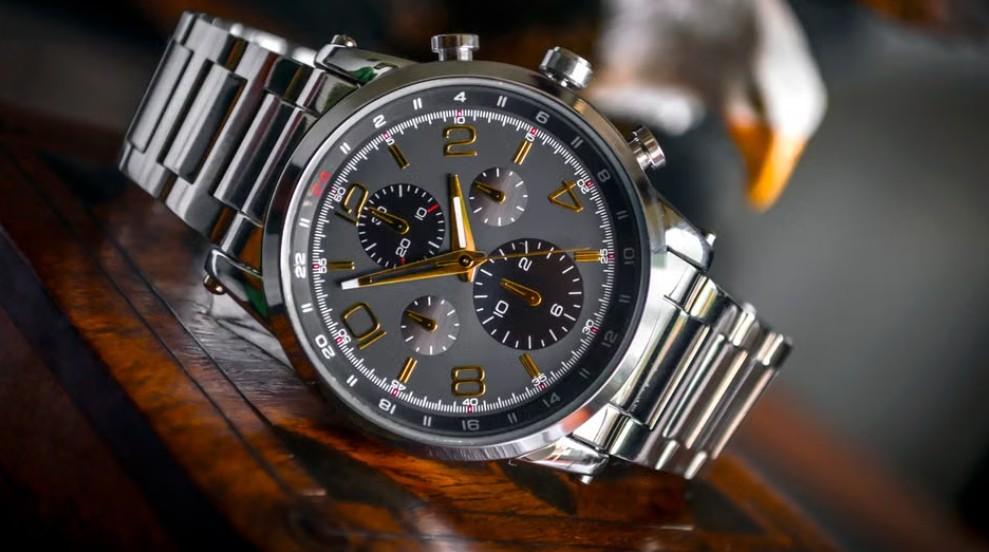
Photo by Fernando Arcos on Pexels
A pre-owned Omega is one of the simpler luxury watch purchases to get right, and one of the easiest to get wrong. The watch itself is rarely the problem. The problem is the word certified. It gets used loosely, it means different things at different sellers, and it is usually the only thing standing between you and a very expensive mistake.
This guide walks through what certification should actually cover, what Omega pricing looks like in the current market, which condition details move value the most, and the questions worth asking before money changes hands. Where the market data is thin or seller-specific, it says so, because a good buying decision depends on knowing which numbers are facts and which are marketing.
What Certified Pre-Owned Actually Means for an Omega
There is no single industry standard behind the phrase. Certification is a promise made by the seller, and for an Omega it usually bundles four things: confirmation that the watch is genuine, a documented condition assessment, a statement about service status, and some form of guarantee or return window. Two sellers can both describe a Speedmaster as certified pre-owned and mean very different things by it.
That is why the useful question is not whether the phrase appears in the listing, but what sits behind it. Ask for the inspection record, the timing results, and the written terms of the guarantee. A review summary of Omega certified pre-owned watches reports that these pieces often trade roughly 25 to 30 percent below retail with a minimum two-year guarantee. Treat that as a benchmark to check against a specific offer rather than a rule. The guarantee is only as strong as the dealer standing behind it, and the discount moves with reference, age, condition, and completeness.
Why Omega Suits the Pre-Owned Market So Well
Omega has one of the widest pre-owned spreads of any luxury brand. At one end sit the instantly recognizable pieces, including the Speedmaster family and the Moonwatch lineage. At the other end sit discontinued references, smaller cases, and older quartz and automatic models that trade for a fraction of the headline numbers. That range is the appeal: there is a sensible entry point for a first-time pre-owned buyer and a specific reference for a collector who already knows exactly what they want.
The brand also benefits from volume. Omegas were made in large numbers and serviced widely, so parts and watchmaker familiarity are generally not the obstacle they can be with rarer houses. What varies enormously is how individual watches have been treated over ten, twenty, or forty years, and that is where condition transparency separates a good dealer from a listing page.
Reading the 2026 Price Signals
Published prices are snapshots, not appraisals, and the figures below come from mixed sources with different incentives. They are still useful for orientation, because they show where the market sits and how much the spread can be between references.
| Signal | What the listing showed | What it tells a buyer |
|---|---|---|
| Speedmaster Date 3513.30 automatic chronograph, 39mm, silver dial, pre-owned | US $2,542.16, marked down from US $2,956.00 | Mid-range chronographs sit in the low thousands; a struck-through "was" price is a seller estimate, not a valuation |
| Mixed pre-owned Omega marketplace listings | US $2,499.99 to US $8,150.00 | Reference and condition move the number far more than the badge on the dial |
| Vintage 1960s Omega, pre-owned | US $3,092.25 | Age alone makes a watch neither cheap nor expensive |
| Women's pre-owned Omega, aggregator listing | 5 items on sale from US $1,215 | Smaller cases and less-hyped references can be the entry point |
| Retailer promotions | Savings advertised up to 60 percent; individual listings at 32 and 39 percent off a stated regular price | Headline percentages are marketing; compare the actual asking price to real sold prices |
The lesson in that last row matters. A discount only means something if the reference price is honest. When a listing shows a large percentage off, ask what the watch sold for elsewhere in comparable condition, with the same box, papers, and service history. A 32 percent saving against an inflated baseline is not a saving at all.

Photo by Jay-r Alvarez on Pexels
Condition Details That Change the Value
Two Omegas of the same reference and year can sit thousands apart because of details that photographs rarely capture well. These are the ones to press on:
- Case condition and prior polishing. Heavy polishing softens lugs and case edges, and it cannot be reversed.
- Dial, hands, and bezel originality. Replacement parts are not automatically bad, but they change what the watch is and what it is worth.
- Bracelet stretch and clasp wear, especially on older steel bracelets.
- Crown, pusher, and bezel action, which hint at how the movement has been treated.
- Service history and current timing performance, ideally with timegrapher results rather than an adjective.
- Anything the seller will not photograph. Omissions are information.
Authentication Questions to Ask Any Seller
Listings from boutiques, marketplaces, pawnbrokers, and large pre-owned retailers all use words like inspected and authenticated, and some describe refurbishing pieces before resale. The words are only as good as the process behind them, so ask directly who opened the watch, who examined the movement, and what equipment was used. A dealer who authenticates in-house and has a watchmaker inspect every piece should be able to answer without hesitation.
Ask for macro photography of the dial, caseback engraving, and clasp markings. Ask for timing data and a plain statement of service status: recently serviced, running within specification, or due for service. Ask whether the watch has been pressure tested and whether water resistance is being represented as current or unknown. Any seller unwilling to put those answers in writing is telling you something useful.
Box, Papers, and Service Records
A full set with original box, warranty cards, and service receipts is worth more than the same watch without them, and it is easier to sell later. That premium is real but often overstated by sellers of incomplete pieces, and a watch-only example can be the better buy if the price reflects it honestly. The one document worth insisting on is proof of service, because it tells you what has been done and when. If records are missing, price the watch as one that may need attention.
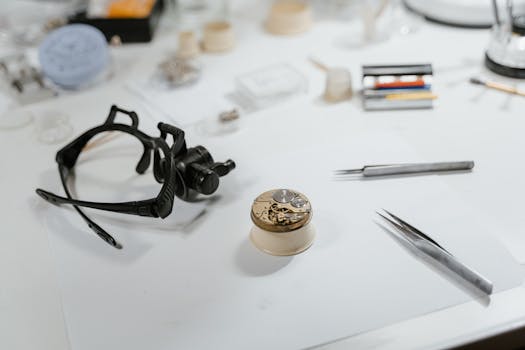
Photo by Tima Miroshnichenko on Pexels
Warranty, Returns, and Payment Terms
Guarantee terms vary widely. Some sellers advertise a minimum two-year guarantee on certified pre-owned Omegas, while others rely on a short inspection window instead. At G2 Timepieces, every watch is authenticated in-house and inspected by a watchmaker, and purchases carry a 24-hour return window so the piece can be checked on arrival. Confirm the exact terms in writing before paying, including who covers return shipping and what voids the return.
Shipping terms matter too. G2 ships free within the United States by insured 2-day FedEx or UPS, with international shipping handled case by case. If you are buying across borders, ask about duties and transit insurance before you commit, and never assume a policy carries over from one seller to another.
Boutique, Marketplace, or Pawn Shop: How the Channels Compare
| Channel | Typical strength | What to verify |
|---|---|---|
| Family-owned boutique | In-house authentication, named watchmaker inspection, direct conversation with the seller | Written condition report, timing data, return window |
| Online marketplace | Widest selection and the easiest price comparison | Seller history, whether authentication is platform-run or self-declared, return process |
| Pawn shop | Occasional local finds | What refurbishing was done, and whether any documentation exists |
| Large pre-owned retailer | Volume and standardized listings | Whether the advertised discount is measured against a realistic baseline |

Photo by Muhannad al zabidi on Pexels
Sourcing a Specific Reference
Plenty of Omega buyers know exactly which reference they want and simply cannot find it in the right condition. A sourcing service is built for that situation: you describe the reference, the era, and the condition floor you will accept, and the dealer watches the market on your behalf. It removes the pressure to buy the first acceptable example that appears, which is often the most expensive habit in this hobby.
If You Are Selling or Trading an Omega
Selling privately can produce a higher gross number and a much longer timeline, plus the work of photographing, listing, vetting buyers, and shipping. Consignment moves that labor to the dealer. G2 Timepieces charges a percent consignment fee, supplies a prepaid shipping label, and handles professional photography, so the watch is presented properly rather than through phone snapshots. Trade-in is the faster route if you already have your eye on something in stock.
Frequently Asked Questions
Is a certified pre-owned Omega a good buy?
It can be, provided certification means something specific. Look for in-house authentication, a watchmaker inspection, timing data, and a written guarantee or return window. A review summary suggests these watches often trade around 25 to 30 percent below retail with a minimum two-year guarantee, but the value depends on the individual reference, its condition, and what documentation comes with it.
How far below retail should a pre-owned Omega be?
Published figures vary widely, from listings a few hundred dollars under a stated regular price to promotions advertising much larger savings. Treat any percentage as a starting point and compare actual asking prices for the same reference in similar condition. A discount measured against an inflated baseline is not a discount, so verify the real market level first.
Will a pre-owned Omega come with a warranty?
Not automatically, and not from the brand. Any coverage comes from the seller, so read the terms closely. Some dealers advertise multi-year guarantees on certified pre-owned pieces, while others offer a short inspection window instead. Ask what is covered, how long it lasts, who performs the work, and what conditions void it, and get the answer in writing.
Should I only buy an Omega with box and papers?
Not necessarily. A complete set supports stronger resale and clearer provenance, and it usually commands a premium. A watch-only example can be the smarter purchase when the price reflects the missing items honestly and the condition is strong. Service records are the more valuable document, because they tell you what has actually been done to the movement.
Can I trade a watch toward a pre-owned Omega?
Many boutiques, including G2 Timepieces, accept trades and consignments alongside outright purchases. Trading is usually the fastest path if the piece you want is already in stock, while consignment tends to produce a better net result if you can wait. Ask for a clear explanation of how the trade value was calculated before agreeing to anything.
Looking to find your own everyday anchor or add a versatile icon to your collection? Explore our curated, hand-inspected luxury inventory View Our Collection or reach out to our team to chat watches today.