
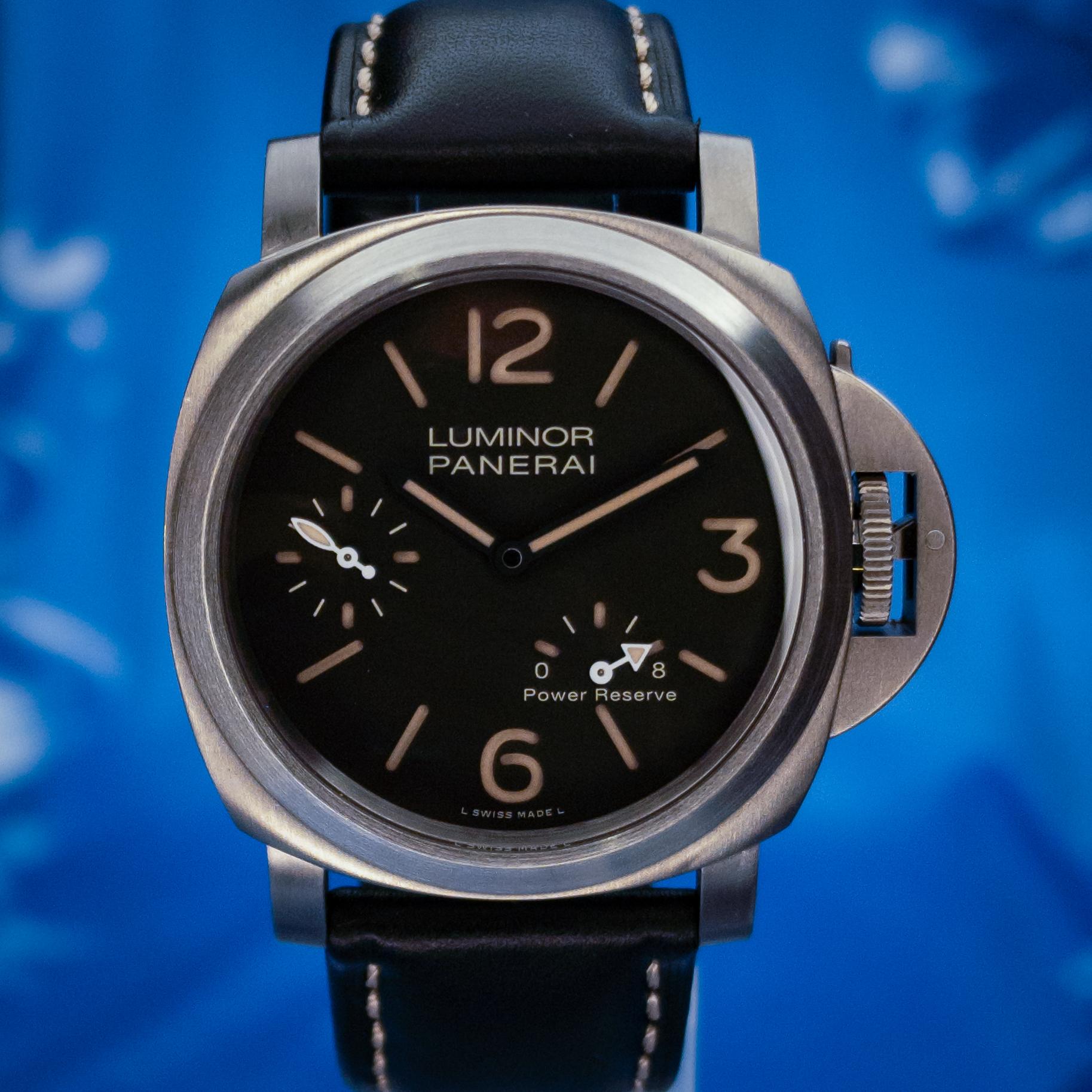
A practical guide to buying certified pre owned Panerai in 2026, from Luminor and Submersible model checks to authentication, condition and pricing.
Most Panerai buyers arrive with a reference already in mind. The crown-protecting bridge on the Luminor, the dive-oriented Submersible line, and a design language that reads as nothing else on the wrist have built a loyal following, and that following keeps a healthy secondary market moving. Buying pre-owned is not simply a way to spend less. With Panerai, it is often the smarter route for access, variety and collecting flexibility.
Certification is where the process gets interesting. The phrase certified pre owned Panerai does not describe a single universal program. It describes whatever inspection, authentication and guarantee a particular seller attaches to a watch. Your task as a buyer in 2026 is to establish exactly what sits behind the word certified before money changes hands, and to know which questions separate a genuine certification from a marketing label.
What certified pre owned really means for a Panerai
A certified pre owned Panerai should arrive with more than a polished case and a clean listing photo. Certification implies a process, and a process can be described. Ask each seller who authenticated the watch, whether a watchmaker inspected the movement, what equipment was used, what condition issues were found, and what happens if the watch turns out not to match the description.
Good sellers answer those questions without hesitation. They can tell you the reference number, the case material, whether the watch has been serviced, whether it comes as a full set with box and papers, and how the timing behaved on a timegrapher. Vague answers about certification are a signal to slow down, not a reason to negotiate harder.
Why the pre-owned route suits Panerai in particular
Panerai's catalog has shifted considerably over the years, and many of the references collectors chase are no longer produced. The pre-owned market is where that history lives. Buying pre-owned opens access to references you will not find in a current display case, gives you more variety in dial, case and strap combinations, and preserves flexibility later if your taste moves toward a different model.
There is also a practical collecting argument. Panerai rewards owners who like to change straps and swap personalities, so a watch that arrives with its original strap and buckle alongside a spare is more useful than one wearing an aftermarket strap with the original lost. Pre-owned listings often include those extras, and a boutique dealer can usually tell you what is original to the watch and what was added later.
Know the model families before you shop
Panerai's lineup splits into recognizable families, and each attracts a different kind of buyer. Understanding the differences before you browse keeps you from comparing watches that are not really comparable, and it makes pricing conversations far more productive.
Luminor
The Luminor is the model most people picture when they think of Panerai, recognizable by the crown guard that has become the brand's signature. Dealers who specialize in pre-owned Panerai consistently describe the crown-guarded Luminor as the entry point for new collectors, and it remains one of the most commonly traded families on the secondary market. Within the Luminor name there are meaningful variations in case material, dial layout and complication, so confirm the exact reference rather than shopping by name alone.
Submersible
The Submersible sits at the sportier end of the catalog, and pre-owned examples come up regularly in listings alongside Luminor pieces. Buyers drawn to the Submersible tend to care more about case condition and water-related service history than about dress-watch polish, since these watches are more likely to have been worn hard.

Photo by Jay-r Alvarez on Pexels
What a serious inspection should cover
Certification is only as good as the checklist behind it. When you evaluate a certified pre owned Panerai, look for sellers who can speak to the following in specific terms rather than general reassurance.
- Movement performance, ideally with timing results recorded on a timegrapher rather than described as running well.
- Service status, including whether the watch has been serviced, when, and by whom, or whether it is being sold as-is.
- Case and crystal condition, described honestly, with macro photography that shows edge wear, dings and scratches instead of hiding them.
- Originality of dial, hands, crown guard and case back, and whether any component has been replaced.
- Completeness of the set, meaning box, papers, tools, spare straps and original buckle.
- Function checks for every complication on the watch, including date changes and crown operation.
Questions to ask before you commit
A short, direct list of questions will tell you more about a seller than any product page. Ask what reference number appears on the case back and whether it matches the listing. Ask whether the watch has been polished and how much material was removed. Ask for the service history in writing. Ask what is included in the box and whether the paperwork matches the watch. Ask about the return window and who pays return shipping. Ask whether the watch ships insured and how. Ask what happens if an authentication issue appears after delivery.
Sellers who handle these questions calmly are usually the ones worth buying from. Resistance to any single question, especially about service history or returns, is more informative than a discount.
Reading a Panerai listing carefully
Listing photos are your first inspection. Look for sharp images of the case sides, the crown guard, the case back engraving, the clasp and the strap. Blurry photos of the areas that wear fastest are a reason to request more. Read the description for what is missing as much as for what is stated, particularly around paperwork, service and strap originality.
Check that the reference number, case material and dial description line up with the photos. Misdescribed listings are more common than fakes, and small inconsistencies in a description often point to a watch that was listed quickly from incomplete information.
Box, papers and provenance
A full set with box and papers generally supports a stronger resale position, and many collectors will not buy a Panerai without it. Watch-only examples can be excellent value if you intend to wear the watch rather than hold it as an asset, but you should pay accordingly and understand the tradeoff at resale.
Provenance matters most when the watch has an unusual configuration or a claimed service history. Ask for documentation and verify it against the relevant official source rather than accepting a verbal summary.
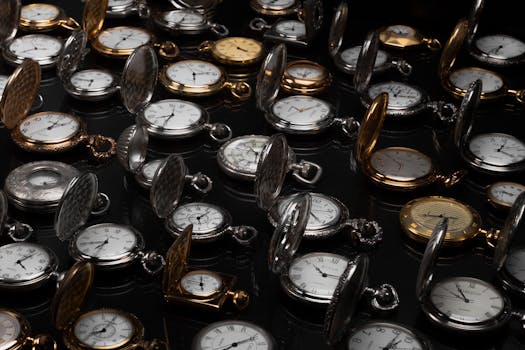
Photo by T. Royce Xan on Pexels
Judging price without a price guide
Panerai pricing on the secondary market varies widely by reference, condition and completeness. The only reliable method is comparing like with like: the same reference, in similar condition, with a similar set of included items. A steep advertised discount off a stated regular price tells you very little if the regular price was never realistic. Some pre-owned listings quote large percentage reductions, which is exactly why absolute prices for comparable watches are a better measuring stick than banner percentages.
Once you have three or four genuine comparables, you will know whether a particular certified pre owned Panerai is priced sensibly. A boutique dealer who handles these watches regularly can usually explain the pricing on a specific piece, including why one example sits above another.
Buying online versus buying in person
Most pre-owned Panerai sales now happen remotely, which puts weight on shipping and return terms. Confirm that the watch ships insured and trackable, and read the return window closely. A short return window is workable if you inspect the watch the day it arrives and have a watchmaker look at it promptly.
In-person buying has one clear advantage: you can try the watch on and feel the case on your wrist before committing. If that is not possible, ask the seller for wrist shots and measurements, and be honest with yourself about whether the case size suits you.
Red flags worth walking away from
- No reference number provided, or a reference that does not match the photos.
- Refusal to discuss service history or to provide timing results.
- Photos that are too low resolution to judge case condition.
- Pressure to pay outside a trackable, protected payment method.
- A price far below every comparable listing with no explanation.
- Vague claims of certification with no named inspection process.
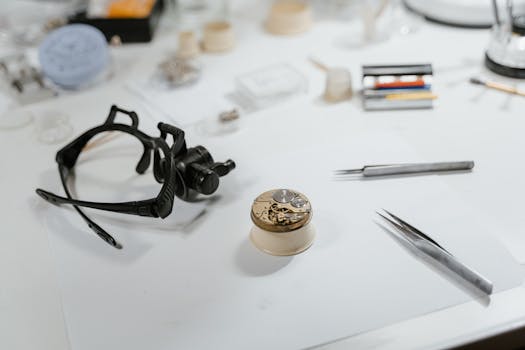
Photo by Tima Miroshnichenko on Pexels
Buying from a small boutique dealer
G2 Timepieces is a small, family-owned boutique in Roswell, Georgia that buys and sells certified pre-owned and new-old-stock luxury watches, including Panerai. Every piece is authenticated in-house and inspected by a watchmaker, and listings are supported with macro photography, timegrapher results and service status so you can judge condition before you buy. The boutique also sources specific references on request, offers a sell, trade and consign program with a 12.5% consignment fee, prepaid shipping label and professional photography, ships free within the US by insured two-day FedEx or UPS, handles international shipping case by case, and provides a 24-hour return window.
For a buyer chasing a particular Panerai reference, that sourcing service is often the fastest route, and the team is happy to chat through the differences between two similar watches before you decide.
A sensible buying plan for 2026
- Decide which family you want, Luminor or Submersible, and narrow to two or three specific references.
- Collect three or four genuine comparables so you understand the realistic price band.
- Ask every seller the same set of questions about condition, service, completeness and returns.
- Review macro photography and timing results before you commit, not after.
- Confirm shipping, insurance and the return window in writing.
- Inspect the watch immediately on arrival and have it checked by a watchmaker if the window allows.
Frequently Asked Questions
Is certified pre owned Panerai worth buying?
For many buyers, yes. Pre-owned is often the better route to access discontinued references, wider variety and collecting flexibility, not just a way to spend less. The value depends on what the certification includes, so confirm the authentication process, watchmaker inspection, service status and return terms before you buy.
Does a pre-owned Panerai come with box and papers?
Sometimes, and it varies by listing. Full-set examples with box and papers usually command stronger prices and hold resale value better, while watch-only pieces can represent good value for someone who plans to wear rather than collect. Always confirm exactly what is included before paying.
Can I return a certified pre owned Panerai after delivery?
Return terms are set by the individual seller, so read them before you buy. Some dealers offer short windows, such as the 24-hour return window at G2 Timepieces, which means you should inspect the watch and have it checked by a watchmaker promptly. Confirm who pays return shipping.
How do I verify that a Panerai is authentic?
Start with the reference number and case back details, then compare them against the listing photos and the seller's documentation. Ask who performed the authentication and what was checked. For anything unusual, verify details with the relevant official source or an independent watchmaker before completing the purchase.
Should I buy a Luminor or a Submersible first?
The Luminor, with its crown guard, is the model most new Panerai collectors start with and is widely traded on the secondary market. The Submersible suits buyers who want a sportier watch and who are comfortable prioritizing case condition and service history over cosmetic polish. Try both on if you can before deciding.
Looking to find your own everyday anchor or add a versatile icon to your collection? Explore our curated, hand-inspected luxury inventory View Our Collection or reach out to our team to chat watches today.